
How BlackLine Transforms the Month-End Close

For many finance departments, the month-end close represents a recurring challenge driven by long hours and high stress. Time-consuming manual processes dominate the landscape as teams spend hours entering data, verifying balances, juggling email threads to coordinate tasks, preparing journal entries, and compiling reports in disconnected systems.

This heavy reliance on manual intervention creates inefficiency, and it can increase the risk of errors. A mistyped figure or a missed reconciliation can cascade through financial statements, causing rework that delays completion and threatens compliance deadlines.

BlackLine is a leading provider of cloud-based financial close solutions. The platform offers a comprehensive platform that streamlines and automates key processes, allowing finance teams to break free from the limitations of traditional approaches. BlackLine transforms processes to reduce risk, improve accuracy, and free your team to focus on higher-value work.

How BlackLine Promotes Successful Month-End Closes

Automated Account Reconciliation

Account reconciliation traditionally consumes a disproportionate amount of time during the month-end close. BlackLine transforms this process through intelligent automation that matches transactions according to customizable rules, dramatically reducing manual effort.

For instance, BlackLine allows finance teams to auto-match transactions and flag exceptions for review while monitoring reconciliation status in real time across all accounts.

To understand the full scope of BlackLine’s transaction matching capabilities, see our article: Beyond Reconciliation: The Power of BlackLine Transaction Matching

Streamlined Journal Entries

BlackLine automates the preparation, review, and approval of journal entries, replacing processes that traditionally rely on email and spreadsheets.

The platform enforces standardization across journal entries, ensuring consistency and compliance with accounting standards. Built-in validation rules catch potential errors before posting, eliminating the need for correcting entries.

The structured workflow enforces appropriate approvals and maintains comprehensive documentation, creating a clear audit trail that simplifies compliance efforts.

Efficient Financial Reporting and Analytics (FRA)

Financial reporting quality directly impacts business decisions and stakeholder confidence. BlackLine enhances reporting capabilities by ensuring underlying data is accurate, reconciled, and controlled properly. BlackLine’s Financial Reporting and Analytics (FRA) tool provides pre-consolidated financial statements for executives, including balance sheet, income statement, and statement of cash flows. The financial statements can represent specific needs in an organization such as an industry-specific calculation for EBITDA.

FRA also provides automated fluctuation analysis on the financial statements that can generate variance reconciliations to be explained by end users according to predetermined tolerance thresholds. These variance explanations can be rolled up to the financial statement line level automatically via artificial intelligence, saving time and effort in creating footnote disclosures on the financial statements.

By automating data collection and validation, BlackLine eliminates the manual compilation process that can delay reporting and introduce errors. The result is faster, more reliable financial information that drives better business decisions.

Enhanced Controls and Compliance

Control weaknesses in the financial close process create significant risk exposure. BlackLine addresses this concern through robust controls, role-based access and approval workflows, and enforced segregation of duties within the platform.

Every activity is documented automatically in a comprehensive audit trail. This detailed record provides evidence of compliance with policies and regulations, simplifying audit preparation and reducing compliance costs.

Benefits of a BlackLine-Powered Month-End Close

Increased Efficiency and Productivity

Companies implementing BlackLine typically report dramatic reductions in close time—often cutting days from the process. This efficiency gain comes from eliminating manual tasks and standardizing workflows across the organization.

As routine tasks become automated, finance professionals can redirect their attention to higher-value activities such as analysis and strategic planning. This shift transforms the finance function from a transaction-processing center to a strategic business partner.

Enhanced Visibility and Control

BlackLine provides visibility into the close process through real-time dashboards and reports. Finance leaders gain immediate insight into status, bottlenecks, and potential issues, allowing for proactive close process management.

This transparency extends to supporting documentation and reconciliation details, ensuring questions can be addressed quickly.

Improved Collaboration and Communication

The centralized nature of BlackLine fosters better collaboration among finance team members. Rather than swapping spreadsheets and emails, team members work in a unified platform that maintains version control and provides clear visibility into assignments and status updates.

The structured workflow automates notifications and reminders, reducing the communication overhead typically associated with complex close processes. This streamlined communication accelerates approvals and reduces delays caused by miscommunication.

For companies seeking to transform their month-end close process, BlackLine offers a compelling solution that addresses the fundamental challenges of manual, spreadsheet-driven approaches. By automating key processes, enhancing controls, and improving visibility, BlackLine enables finance teams to achieve a faster, more accurate close while reducing risk and freeing resources for strategic activities.

To learn more about enhancing your close process with BlackLine, contact us.

Navigating the Trust Triangle of Compliance

In today’s risk-aware business environment, building trust isn’t a solo effort—it’s a coordinated pursuit. For organizations seeking to meet compliance requirements and expand their market presence, success often depends on the strength of a three-way relationship: the business, its compliance advisors, and independent auditors. Known as the “trust triangle,” this dynamic is the foundation for effective compliance and lasting stakeholder confidence.

However, while the three sides of the trust triangle share a common goal—verifiable compliance—their motivations, methods, and languages often differ. Understanding these differences is key to navigating the path forward.

Trust triangle

The Three Sides of the Triangle

Businesses: seeking to gain trust and enter the next stage of growth

For most organizations, compliance is not just about ticking boxes—it’s about unlocking growth. Whether the goal is to win larger contracts, attract investors, or strengthen a brand’s reputation, demonstrating compliance reassures stakeholders that operations are secure, ethical, and reliable.

That said, many businesses approach compliance pragmatically. With limited time and resources, they may focus on meeting minimum requirements quickly—sometimes without fully grasping the nuances of each framework. This mindset, while common, can create friction when deeper, long-term value from compliance is the goal.

Advisors: guiding the path to compliance

Compliance advisors are a guide, offering deep expertise across industries, standards, and jurisdictions. Whether internal specialists or external consultants, advisors help organizations implement practical strategies that align business operations with regulatory demands.

They speak the language of risk, assessing where organizations are vulnerable, what frameworks apply, and how to prioritize improvements. By bridging business goals and regulatory requirements, advisors provide the roadmap for scalable, sustainable compliance.

Auditors: verifying trust and compliance

Auditors are the objective third party in this triad. Their job is to independently assess whether a business has met the requirements of a given framework—whether SOC 2, ISO/IEC 27001, HIPAA, or others.

Auditors communicate through the language of precision and evidence. Their focus is on technical accuracy, documentation, and clearly defined tests. Ultimately, they provide the attestation or certification that validates an organization’s efforts and delivers trust to external stakeholders.

Shared Goals, Distinct Perspectives

The three-sided relationship has the common objective of ensuring the business achieves compliance, although this shared goal often has differing motivations to get there.  

Businesses: growth and reputation

For businesses, compliance translates into growth. It enables them to attract partners, win contracts, and reassure customers their operations are secure and ethical. While pursuing compliance may involve time and monetary investments, it provides returns in revenue, growth, and enhanced brand reputation.

Advisors: knowledge and partnership

Advisors derive their purpose from guiding businesses toward compliance and trust. Their expertise and vast understanding of regulatory nuances mean they are critical in the compliance process. By partnering with businesses, advisors forge a collaborative journey toward a future founded on integrity and responsible conduct.

Auditors: accountability and assurance

Auditors uphold the critical role of reviewing and signing off on evidence related to the framework. At the end of the day, the auditor will deem a business compliant or not. Their objective evaluations provide the stamp of authenticity, assuring stakeholders that businesses stand by their commitments. The certification that auditors provide not only shows compliance but also provides trust and validates a business’s efforts in their commitment to responsible conduct. 

A Common Language Through Compliance Metadata

To bridge these gaps, organizations can leverage compliance metadata—the structured representation of what matters in a compliance program. This includes:

  • Scope
  • Risks
  • Framework mappings
  • Controls
  • Test procedures
  • Policies

Compliance metadata creates a shared understanding that cuts through professional jargon. It acts as a common language that aligns the interests of businesses, advisors, and auditors.

By grounding collaboration in clearly defined metadata:

  • Businesses gain clarity on what needs to be done and why
  • Advisors can implement controls that are fit for purpose
  • Auditors can efficiently assess against well-documented, standardized evidence

This approach reduces friction, supports transparency, and helps ensure the audit process runs smoothly without compromising accuracy or integrity.

As supply chains grow and stakeholder expectations expand, the trust triangle doesn’t stop at the initial audit team. Suppliers, partners, and third-party vendors also become part of the broader compliance network. The trust triangle replicates at scale, fostering a trust web that must be managed with the same rigor and collaboration.

The trust triangle is not just a theoretical framework—it’s a real-world system that underpins every successful compliance journey. When businesses, advisors, and auditors align through a shared understanding of roles and expectations, they create more than just reports—they build the foundation for sustainable growth, accountability, and innovation.

Compliance metadata is the key to this alignment. It enables faster, clearer communication, and unlocks a new era of collaboration where trust and transparency thrive.

Want to strengthen your compliance program through better collaboration and clarity? Contact us to learn how we can help you build a smarter, more unified compliance strategy grounded in trust.

Simplifying Compliance: Effective Strategies for SOX Success

As publicly traded companies work to optimize their Sarbanes-Oxley (SOX) compliance, increasing the efficiency and effectiveness of those efforts requires management to better understand organizational risks, align management and the audit committee, train process owners, increase automation, and centralize the monitoring of risk exposures and control performance.

Conduct a Risk Assessment

The optimization process starts with an effective risk assessment that helps the company understand its exposures and map the various controls that help it mitigate those risks. The types and number of needed controls will depend on a specific company and its risks.

It’s also important to avoid imposing more controls than the company needs to mitigate risks effectively because each control bears costs for design, documentation, testing, evaluation, and reporting. Understanding the company’s risks, and ensuring you have the correct number of controls, is key to effectiveness and efficiency. This can be further enhanced through a control rationalization, with a deeper review of key risks and the alignment of mitigating control activities.

Management and the Audit Committee

Management and the audit commitment play important roles in SOX compliance by setting the appropriate “tone at the top” by actively asking about and understanding the company’s key risks, and allocating resources to the implementation and evaluation of the appropriate controls. By demonstrating that they believe in and understand risk management and compliance, they set a tone that the rest of the company will generally follow.

Maximize External Auditor Reliance

A valuable way to increase efficiency and potentially reduce the cost of a SOX review is making it as easy as possible for external auditors to rely on the company’s testing and documentation. Under SOX, external auditors are required to sign off on the company’s internal controls, give an opinion about the effectiveness of those controls, and identify any deficiencies.

To make these determinations, the auditors will either rely on the company’s control testing and documentation, or will have to perform that testing themselves. While a company won’t be able to reach a point where the auditors rely exclusively on the company’s testing, expanding the percentage of company-tested controls increases efficiency. It does this by reducing the volume (and cost) of auditor testing, as well as avoiding controls being tested twice by the company as well as by the auditors.

Increase Process Owner Training

Another important step in optimizing SOX compliance is providing training for financial reporting process owners—the managers with oversight responsibilities for specific processes. In addition to setting the tone at the top with messaging from a SOX sponsor (e.g., the CFO), managers need to understand the nature of transactional flows and data involved with significant processes—and be enabled to identify gaps in the performance or documentation of those steps. They should also understand the risks that could affect material accounts.

As part of this training, process owners need to understand the value of testing and documentation outside of preparing for an audit. These steps need to be part of ongoing, year-round risk management activities.

Expand Automation

While the role of automation in financial reporting is early and evolving in many organizations, the advantages of streamlining the financial processes that underlie the controls being evaluated will pay dividends in SOX compliance. A large portion of the SOX effort and control performance are steps that are repeated through the fiscal year and across fiscal years.  Where tasks are repeated and involve systems or applications, there are opportunities to automate.

For instance, the vast majority of the information needed for SOX compliance is produced during the accounting period close. Critical activities that occur during closes include journal entries, analyses, reconciliations, approvals, and more—all of which need to be documented and are subject to auditor review.

Tools such as BlackLine increase process accuracy and SOX compliance by importing data from feeds and matching transactions to reconcile accounts automatically, posting journal entries, and coordinating task completion and approval using real-time dashboards. This reduces reliance on manual tools and the risk of data existing in disparate spreadsheets.

To the extent various activities can be automated, the company and its auditor benefit. Manual processes, documentation, and testing are more expensive and typically have higher rates of deficiencies. Where companies have more automation, auditors see fewer deficiencies and smoother, more efficient testing that is conducted with less work and a lower resulting cost.

Create a Project Management Office

Companies can increase the efficiency and effectiveness of their SOX compliance efforts by creating a project management office to coordinate their compliance efforts. Depending on the size and scope of the company, that oversight could come from one person, a team, or someone using a combination of internal and outsourced resources.

Without regard to how the role is structured, it’s important for the team member to have an appropriate level of knowledge and experience to coordinate its SOX compliance efforts year-round to ensure controls are performing as designed, and that emerging issues are addressed as quickly as possible.

If your company needs assistance with implementing effective SOX internal controls, reach out to our team of audit professionals who can support you throughout the process.

Decoding InfoSec: The World of Information Security

Whether it’s a headline-grabbing ransomware attack or a quiet data breach that leaks sensitive customer information, cyberattacks can jeopardize trust in an organization, disrupt its operations, and cause lasting damage.

Information security (InfoSec) is the practice of safeguarding your organization’s most valuable data. Whether it’s customer data, intellectual property, or internal communications, InfoSec ensures your information stays protected from unauthorized access, disclosure, or destruction.

What Is Information Security?

At its core, information security is about protecting information assets using a holistic discipline that combines people, processes, and technology to safeguard data from threats.

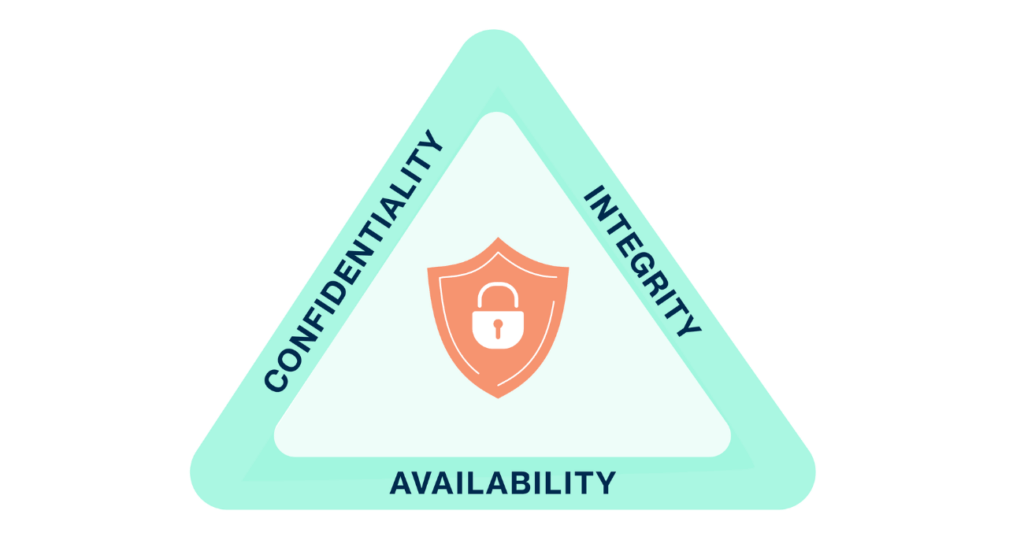
One of the foundational concepts in InfoSec is the CIA Triad:

  • Confidentiality: Ensuring sensitive data is accessible only to authorized users. This may include, for example, encrypting customer data.
  • Integrity: Maintaining the accuracy and trustworthiness of data. This may include controls to prevent a user from making unauthorized changes to financial records.
  • Availability: Making sure information and systems are accessible when needed. This can include systems and tools designed to ensure a customer portal stays online.
InfoSec CIA Triad

It’s also important to understand how cybersecurity fits into this picture. While InfoSec covers all forms of information, including paper records and verbal communications, cybersecurity focuses specifically on protecting digital assets such as networks, systems, and data.

Why Does InfoSec Matter?

On an organizational level, safeguarding sensitive information (such as customer data and intellectual property) is critical. A single data breach can erode customer confidence while, in contrast, demonstrating robust InfoSec practices helps your organization earn and retain stakeholder trust.

Effective InfoSec also plays valuable roles in ensuring business continuity. Downtime from a security incident can halt operations, but strong InfoSec policies and procedures can help an organization promote resilience and minimize disruptions.

Similarly, InfoSec helps organizations meet regulatory compliance obligations. Laws like the European Union’s GDPR and HIPAA in the United States impose strict data protection requirements. Compliance isn’t optional—it’s a necessity to avoid fines and regulatory inquiries.

On a broader societal level, strong InfoSec practices also protect critical infrastructure, combat cybercrime and terrorism, and foster a secure environment for innovation and economic growth.

Key Areas Within InfoSec

InfoSec isn’t a single action—it’s a collection of practices across different domains that work together to protect your organization’s data, systems, and reputation. Effective security requires a continuous process that spans policies, technology, people, and procedures.

From identifying risks and implementing controls to monitoring systems and responding to incidents, each step builds on the other to create a resilient defense. This layered approach is designed to ensure that if one safeguard fails, others remain in place to protect your critical assets—reducing vulnerabilities and enhancing your organization’s ability to adapt to evolving threats.

Key aspects of InfoSec include:

  • Network Security: Protects your IT networks from unauthorized access or attacks
  • Endpoint Security: Secures devices like laptops and smartphones that connect to your network
  • Data Security: Protects data at rest, in transit, and in use through encryption and access controls
  • Identity and Access Management (IAM): Ensures only authorized users access specific resources
  • Application Security: Embeds security into the software development lifecycle
  • Cloud Security: Applies security best practices to data and services in the cloud
  • Incident Response: Prepares your organization to respond effectively to security incidents
  • Security Awareness and Training: Educates your team on threats like phishing and social engineering.

The Role of InfoSec Frameworks

Frameworks give structure to your InfoSec efforts, helping you meet industry standards and build trust with customers and partners. By aligning with established frameworks like ISO/IEC 27001, NIST CSF, or SOC 2, organizations gain a clear roadmap for identifying risks, implementing controls, and continuously improving their security posture.

These frameworks can help ensure your security measures are comprehensive, consistent, and aligned with regulatory and contractual obligations.

Some of the leading frameworks include:

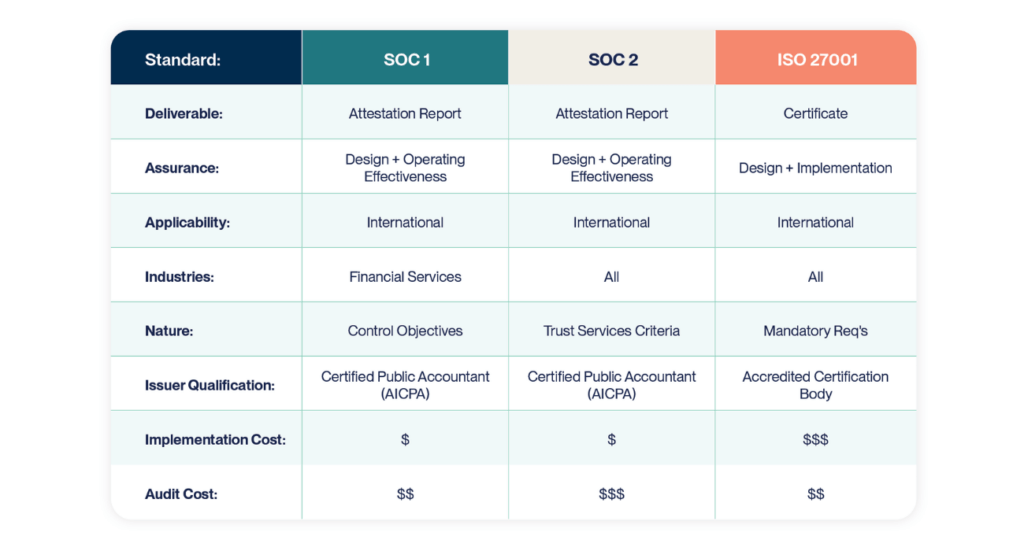
  • SOC (System and Organization Controls): These reports allow service providers to demonstrate the effectiveness of their internal controls.
    • SOC 1 focuses on financial reporting controls.
    • SOC 2—often the most relevant for InfoSec—covers security, availability, processing integrity, confidentiality, and privacy.
    • SOC 3 offers a general-use summary for public audiences.
  • ISO/IEC 27001: An international standard that guides the creation and maintenance of an Information Security Management System (ISMS), emphasizing a risk-based, process-oriented approach.
  • HITRUST: Offers a broad-ranging framework that integrates requirements from more than 40 global data security standards and regulations.
  • NIST Cybersecurity Framework (CSF): Offers a flexible approach to managing cyber risk with five core functions—Identify, Protect, Detect, Respond, and Recover.
SOC 1, SOC 2, and ISO 27001 comparison

Adopting a recognized framework demonstrates your commitment to safeguarding sensitive information, enhances credibility with stakeholders, and helps you create a competitive advantage in today’s security-conscious marketplace.

By understanding the fundamentals of InfoSec and adopting recognized frameworks, your company can stand out in the marketplace by demonstrating a strong security posture that protects your organization’s reputation as well as your data.

To learn more about the most effective ways to protect your organization and your critical data, contact us.

Understanding Profit Margin Overhead in Construction Accounting

For construction company leaders to better understand profit margin, it’s necessary to allocate the costs of each job correctly to help identify trends and efficiencies that may cause jobs to perform better or worse than expected. Understanding these cost components—direct and overhead—is essential for calculating profit margins accurately and making informed business decisions.

Calculation of Profit Margin

Profit is comprised of revenue, including the total contract cost (plus any change orders approved by the customer), less the sum of costs incurred to fulfill that contract. These costs include the following:

Direct Costs

Incurred expenses that are directly allocable to the job, including:

  • Materials used, including materials purchased specifically for this job, less any uninstalled materials not used (and available for use on other jobs), plus the cost of any materials on hand.
  • Labor costs, including wages incurred that are directly allocable to the job.
  • Other specifically identifiable expenses such as subcontractors, site-specific permits, and equipment rented for use in a specific job.

Overhead Costs

Expensed incurred related to jobs worked on during the period but not directly allocable:

  • Employee-related costs such as employer taxes and benefits related to field employees, travel to and from job sites, wages for front office employees, and downtime for field employees.
  • Insurance, bonds, general business permits and licenses, equipment rentals that are not job-specific, fuel and maintenance costs of vehicles used in the business, equipment repairs for general wear and tear, and depreciation for field equipment and vehicles.
  • Rent for the portion of the facility used for materials storage, property taxes, and telephone and utilities expenses.

Generally, these overhead costs do not include general costs of doing business, such as:

  • Professional fees related to accounting and legal expenses, advertising and promotion, bad debt, general office supplies and front-office software costs, printing, postage and delivery fees, bank and credit card charges, and income taxes.
  • Depreciation for office equipment.
  • Rent for the portion of the facility used for front office/administrative activities.
  • Employee bonuses and profit sharing/401k contributions not attributable to specific jobs.

Regularly reassessing overhead cost allocation ensures that jobs absorb an appropriate share of expenses. This allocation is known as the overhead rate.

The overhead rate is a sum of the overhead costs incurred for the period as a factor of an input or metric that represents the portion of total activity for the business attributable for a specific job. This may be, for instance, contract value as a percentage of total revenue for the company, or total labor hours spent working on a job as a percentage of total labor hours incurred.

Example of How to Calculate the Overhead Rate

Realistic estimation of overhead costs will aid management in being able to better understand job performance and allow for more accurate information to be available when discussing change orders with customers, and in being able to bid jobs more accurately going forward.

Additionally, better overhead estimates will allow for more accurate revenue recognition for ongoing jobs. The total estimated costs expected to be incurred (which should include an element of the expected overhead burden remaining) will more accurately reflect the total amount of progress that has been made on the job as of period-end and, therefore, how much revenue and profit should be recognized as revenue during the period.

When and How Often Should Overhead Rates Be Reassessed?

As a best practice, overhead rates should be assessed at least annually, or more frequently if changes in costs or circumstances warrant further consideration. These may include, for instance, a material change in insurance premiums or amending the lease agreement for the facility in which the company stores materials and any pre-build job components

To learn more about potential solutions to being able to more accurately track and estimate overhead costs, contact us.

Unlocking Trust Through Compliance Metadata

Trust is fundamental to modern business. Yet in today’s complex regulatory environment, managing trust and compliance at scale remains a persistent challenge—especially across the three stakeholders that form the “Trust Triangle”: companies, third-party suppliers, and advisors.

This is the environment in which Pillar was developed—a solution designed to use compliance metadata to connect these stakeholders, reduce inefficiencies, and bring clarity to fragmented compliance processes.

Companies are held accountable by regulators, customers, and the public to comply with various obligations. These include cybersecurity, privacy, financial risk, and ESG concerns, often extending deep into the supply chain. Choosing the right third parties is both critical and complex.

Third-party suppliers—such as software vendors, service providers, and portfolio companies—must respond to long, detailed questionnaires, often undergoing multiple audits and assessments to satisfy their customers’ requirements. For new or smaller companies, simply doing business with a large enterprise can be a barrier in itself.

Advisors, including audit and consulting firms, help companies and suppliers navigate their compliance needs. Yet these parties frequently operate in silos, using disconnected tools and terminology. The result? Redundancy, inefficiency, and a prolonged path to trust.

The Problem Statement

Many organizations rely on static tools like spreadsheets, manual assessments, and long-form reports to gauge risk and compliance readiness. However, these methods are time-consuming, costly, and often duplicative.

The explosion of compliance frameworks—SOC 2, ISO/IEC 27701, NIST, and others—has made things more complex. Reports may stretch to hundreds of pages, yet procurement timelines continue to lag and trust remains elusive.

Due diligence is essential, but it shouldn’t be a burdensome experience that delays opportunity or discourages collaboration.

Market Inefficiencies

Despite increased automation and accessibility for certain standards, broader trust management efforts remain fragmented.

  • Enterprises prioritize risk.
  • Suppliers focus on frameworks and controls.
  • Advisors home in on policies and testing.

These components are interrelated, but without a common language or system, stakeholders often talk past each other. This disconnect leads to wasted effort, inconsistent results, and unclear expectations across the compliance ecosystem.

The Compliance Metadata Solution

Pillar addresses this gap by leveraging compliance metadata—a structured way to align requirements, risks, and responsibilities across all three members of the Trust Triangle.

Pillar organizes compliance metadata into six key elements:

  • Scope – Defines the boundaries of compliance.
  • Risks – Identifies specific risks for each party.
  • Frameworks – Maps applicable standards to address those risks.
  • Controls – Lists measures tailored to each organization.
  • Tests – Validates that controls are effective.
  • Policies – Documents how risks are managed in practice.

Connecting the Dots With Pillar

Pillar is a connective layer, enabling transparency and collaboration across enterprises, suppliers, and advisors. Structuring compliance data in a consistent, contextual way eliminates duplication, streamlines procurement, and lowers the cost of trust.

Companies can manage supply chain risk more effectively. Advisors can deliver more efficient, higher-quality services. Suppliers gain clarity and agility in meeting requirements.

Pillar integrates seamlessly with existing compliance tools, supporting everything from monitoring and assessments to implementation and workflow management.

Pillar offers a smarter, more connected approach to trust management that respects each stakeholder’s unique context while fostering alignment and accountability.

To learn how compliance metadata can improve your organization’s approach to risk and compliance, contact us for a no-obligation consultation.

The Rise of Social Engineering and Hackers’ Best Weapons

In today’s threat landscape, cybersecurity is no longer just about firewalls, encryption, and antivirus software. While those technical controls are still crucial, the real battlefield has shifted to something far more unpredictable and challenging to control: human behavior.

Social engineering, the art of manipulating people to give up confidential information or perform actions that compromise security, is rising. And it’s working. In fact, social engineering is now one of the most effective tools in a threat actor’s playbook.

Whether targeting the C-suite, IT personnel, or front-line staff, attackers are finding success not by breaking in, but by tricking someone into opening the door.

Recent publicly revealed examples include:

  • A fake email impersonating the CEO of an aeronautics company led to a finance department employee wiring €50 million supposedly for one of the company’s acquisition projects.
  • In April 2024, the U.S. Department of Health and Human Services (HHS) warned healthcare providers about social engineering attacks in which IT help desks were targeted in an attempt to access provider systems and networks.
  • A finance worker at a multinational firm was tricked into paying out $25 million to fraudsters using deepfake technology to pose as the company’s chief financial officer in a video conference call.

What Is Social Engineering?

At its core, social engineering relies on deception rather than technical skill. The method involves exploiting psychological triggers—such as trust, urgency, or fear—to influence someone’s decision-making. Some of the most common social engineering techniques include:

  • Phishing: Fraudulent emails or messages that trick recipients into revealing credentials, clicking malicious links, or downloading malware. Variants include smishing (text message-based attacks) and vishing (voice phishing over the phone).
  • Pretexting: Attackers create a fabricated scenario to gain information or access, such as posing as a bank representative or IT support staff.
  • Baiting: Using the promise of something enticing (like a free download or a found USB drive) to lure victims.
  • Tailgating or piggybacking: Physically following authorized personnel into restricted areas.
  • Business email compromise (BEC): Impersonating a trusted party to convince someone to transfer funds or data.

Why Social Engineering Is Surging Now

With remote and hybrid work models, traditional security perimeters have dissolved, creating more opportunities for threat actors. Employees face constant information overload, making them more likely to click on fraudulent messages.

Meanwhile, AI-powered tools let attackers create hyper-personalized phishing campaigns that look legitimate. Add in social media oversharing, and it’s easy for hackers to gather intel and impersonate trusted contacts.

The Human Factor: Why It Works

Social engineering attacks succeed because attackers leverage urgency to short-circuit critical thinking and exploit common psychological triggers. Messages framed with urgency (“Act now”), authority (“From your manager”), or fear (“You’re out of compliance”) can push people to act without thinking.

Fear-based approaches about compliance violations or security breaches can trigger immediate responses. Other messages, like fake password requests or suspicious incentive offers, appeal to our curiosity.

Defending Against Social Engineering

Social engineering remains the path of least resistance for threat actors targeting businesses. Effective defense requires a multi-layered approach that combines human awareness with technological controls:

Ongoing and Scenario-Based Security Awareness Training

Security awareness training must be ongoing and scenario-based, not just annual checkbox exercises. Employees need practical examples of current phishing tactics and manipulation methods relevant to their roles.

Simple and Accessible Reporting Procedures

Establish clear reporting procedures that are simple and accessible. When employees suspect an attack, they should know precisely how to report it without fear of punishment, even if they’ve already clicked a suspicious link.

Implementation of Multi-Factor Authentication (MFA)

Multi-factor authentication (MFA) provides critical protection when credentials are compromised. Implement phishing-resistant options like hardware keys or push notifications with number-matching where possible.

Establishment of Procedural Controls for Sensitive Activities

Implement procedural controls for sensitive activities. Require verbal confirmation for wire transfers, establish separation of duties for financial transactions, and create approval workflows for data access requests.

Leveraging Threat Intelligence and Monitoring

Leverage threat intelligence and monitoring to stay ahead of evolving tactics. Deploy tools to identify suspicious behaviors and alert security teams to potential compromises before damage occurs.

The most successful social engineering defense programs balance technology and human factors—recognizing that both are essential to your security posture.

Cybercriminals are no longer just hackers in hoodies—they’re skilled manipulators. The best defense is not just smarter tools but smarter teams. Whether you’re an executive, IT leader, or business stakeholder, building a culture of awareness is essential.

Cybersecurity is not just an IT issue—it’s a people issue. And it’s time we treat it that way. To learn more about protecting your organization’s infrastructure and data, contact us.

Understanding Outsourced Accounting and CFO Services

As a company grows beyond the startup phase, its financial complexity increases and professional accounting and finance expertise becomes a strategic necessity.

When management struggles to manage the books, or when cash flow, tax planning, and compliance become too intricate for spreadsheets and entry-level accounting software, investing in professional accounting support is essential for sustainable growth, informed decision-making, and meeting the financial reporting expectations of investors or lenders.

Companies reaching this threshold often consider obtaining support from outsourced accounting, CFO services, or both. Outsourced accounting offers essential financial management—handling day-to-day transactions, accounts payable and receivables, financial reporting, and compliance—while an outsourced or fractional CFO can provide high-level financial strategy, fundraising support, budgeting, and forecasting tailored to the company’s long-term goals.

Choosing which route to take depends on your current needs. If managing the day-to-day activities is the priority, outsourced accounting may be the right fit. If you’re preparing for expansion, investment, or a strategic transaction, an outsourced CFO can be a valuable addition to your leadership team.

Outsourced Accounting Services

Outsourced accounting services provide businesses with immediate access to expertise without the cost and complexity of hiring full-time staff. By partnering with a trusted accounting provider, management can redirect time and resources toward core business activities while ensuring the company’s financial records remain accurate and operations are aligned with organizational goals.

An accounting service might support your company with the following:

  • Bookkeeping and accounting
  • Completing the month-end close
  • Account reconciliation
  • Financial statements and reports
  • Financial process improvement
  • Accounts receivable: billing, invoicing, etc.
  • Accounts payable 
  • Payroll

Beyond cost savings, outsourced accounting brings value by supporting management with real-time insights and data-driven decision-making. Professional accounting firms bring specialized knowledge of industry best practices, regulatory requirements, and emerging financial technologies. the things your company must do to keep the books in order and the bottom line in the black. 

Outsourced CFO Services

Outsourced CFO services deliver enterprise-level financial leadership to growing businesses without the cost of a full-time executive. By engaging fractional CFO expertise, companies gain a financial partner who can provide strategic insights and help management understand their current performance, forecast future results, improve profitability, and mitigate risk.

A CFO’s support might include:

  • Operational and financial reporting
  • Cost and cash flow management
  • Profit analysis
  • Metric and KPI (key performance indicators) tracking
  • Business process design
  • Raising debt or equity capital 
  • Advising and consulting on strategy
  • Forecasting new business ventures

Along with financial oversight, an outsourced CFO brings valuable perspective shaped by experience across multiple business environments. This can include identifying growth opportunities, optimizing cash flow, and creating sophisticated financial models that drive informed decision-making. The CFO’s specialized guidance enables leadership teams to make critical financial decisions while maintaining their focus on their business objectives.

For businesses that aren’t ready to hire a full-time CFO, outsourcing provides flexible, on-demand access to high-caliber financial leadership that’s tailored to the company’s growth stage, industry, and future plans.

Upgrade Your Accounting Support

When exploring your options, consider your organization’s immediate financial needs and your long-term strategic objectives. Outsourced accounting delivers essential operational support for handling transactions, maintaining compliance, and producing financial statements. This approach is ideal for businesses seeking to strengthen their financial foundation through accurate recordkeeping and reliable reporting without the overhead of an in-house team.

An outsourced CFO provides strategic financial leadership that’s focused on driving insights from financial data to guide critical business decisions.

The distinction ultimately centers on your organization’s current needs and priorities. Many growing businesses find optimal value in a hybrid approach, engaging accounting services for foundational stability while periodically consulting with a fractional CFO during pivotal growth phases or complex financial initiatives.

Our team is happy to customize an outsourcing solution to meet your current and future needs. To discuss your options, don’t hesitate to contact us.

How BlackLine Reconciliation Templates Drive Efficiency and Accuracy

Account reconciliation remains a cornerstone of effective financial management in today’s complex financial landscape. At its core, account reconciliation is the process of comparing financial records from different sources—such as a company’s general ledger and bank statements—to ensure accuracy and identify discrepancies. It’s a fundamental control mechanism that supports the integrity of financial reporting.

Standardizing reconciliation processes away from manual processes and spreadsheet dependencies creates consistency that improves accuracy, efficiency, and auditability—three critical factors for finance teams facing growing demands and shrinking close windows.

BlackLine Account Reconciliation Templates provide powerful support for standardization, helping finance teams transform their close process from a spreadsheet-heavy burden into a streamlined, controlled operation.

Key Features of BlackLine Account Reconciliation Templates

BlackLine’s reconciliation templates have several features designed to guide teams toward best practices while reducing manual effort and standardizing the reconciliation process. Some of the key features include:

  • Pre-configured workflows. Each template includes pre-defined reconciliation workflows that establish clear review, approval, and escalation paths. The workflows eliminate confusion about process steps and ensure nothing falls through the cracks.
  • Default matching rules. Templates inherit default matching rules based on specific account types, whether you’re handling bank reconciliations, cash, intercompany transactions, or accruals. These rules automate much of the matching process, reducing the need for custom logic or spreadsheet-based comparisons.
  • Customizable fields and layouts. While standardization is valuable, each company has unique needs. BlackLine templates offer customizable fields, rules, and layouts that allow teams to tailor reconciliations to their specific requirements without sacrificing consistency.
  • Integration with other BlackLine features. Templates seamlessly integrate with other BlackLine modules, including journal entries, task management, and financial reporting. This integration creates a cohesive ecosystem that supports the financial close, reducing the need for duplicate entry and improving visibility across the process.

The Benefits of BlackLine Account Reconciliation Templates

BlackLine’s account reconciliation templates help finance teams increase efficiency and productivity, enhance accuracy, and improve the internal controls environment.

Streamlining the reconciliation process, for instance, accelerates the month-end close and gives finance and operational leaders earlier access to performance results and more time for analysis.

By minimizing manual data entry and rule configuration, templates significantly reduce the time spent on repetitive tasks and the potential for error. Templates reduce the risks associated with manual processing by ensuring consistent application of rules and procedures across account types.

This, in turn, helps the organization maintain high quality standards to support its financial reporting and analysis.

Standardized templates make demonstrating compliance with internal controls and regulations, such as Sarbanes-Oxley (SOX), easier from a control and compliance standpoint. Templates maintain a consistent, detailed audit trail for all reconciliations, documenting who did what and when. This provides transparency that can reduce audit time and document reviews.

Implementing Account Reconciliation Templates

Successful implementation of BlackLine’s reconciliation templates can be enhanced by following these best practices:

  • Maintain clear documentation. Create and maintain comprehensive documentation for all templates, including their purpose, rules, and expected outcomes.
  • Review and update templates. Business processes and regulatory requirements evolve. Schedule regular reviews to ensure templates align with the organization’s current needs and compliance standards.
  • Provide adequate training. Invest in training programs to ensure team members understand how to use and maintain the templates.

By embracing BlackLine’s Account Reconciliation Templates, finance teams can transform their reconciliation processes from manual exercises into standardized operations that support accuracy and productivity.

To learn how BlackLine’s Account Reconciliation Templates can help your finance team provide strategic insights that drive business growth, contact us.

Understanding the General Data Protection Regulation (GDPR)

In a data-driven world, protecting personal information is no longer optional. At the center of today’s global privacy movement is the General Data Protection Regulation (GDPR), a sweeping European Union (EU) law that has redefined data protection standards worldwide. Whether your company operates in the EU, the United States, Australia, or elsewhere, understanding the GDPR is key to staying compliant and earning customer trust.

What Is the GDPR?

The General Data Protection Regulation took effect on May 25, 2018. It was designed to harmonize data privacy laws across EU member states, strengthen individual rights, and promote transparency in how organizations handle personal information.

The GDPR applies to any business that processes the personal data of EU residents—regardless of where the business is located. In short, if your company collects or uses data from EU citizens, you must comply with GDPR requirements.

How Do I Prepare a GDPR-Compliant Privacy Policy?

Creating a clear, thorough privacy policy is one of the foundational steps toward GDPR compliance. Tools like PolicyTree can help generate policies aligned with up to 15 global privacy frameworks, including GDPR. A GDPR-compliant privacy policy must address users’ rights and outline how personal data is collected, processed, and shared.

What Is a Data Protection Authority?

Each EU country has a Data Protection Authority (DPA), an independent agency that enforces GDPR regulations. DPAs investigate complaints, conduct audits, and issue penalties for noncompliance. They also offer guidance and clarity on how to interpret and apply GDPR rules. Understanding their role is crucial, especially when navigating cross-border enforcement.

Does GDPR Apply to U.S. and Australian Companies?

Yes. One of the GDPR’s defining features is its extraterritorial scope. If your business—regardless of where it’s based—processes personal data from individuals in the EU, the GDPR applies to you.

Operating outside the EU but need to prove GDPR compliance? Our Privacy Attestation Services provide the independent validation you need for global trust.

Are There U.S. Standards Similar to GDPR?

The United States does not currently have a federal privacy law equivalent to the GDPR. However, several states have implemented their own regulations. The California Consumer Privacy Act (CCPA) is the most prominent and shares some principles with GDPR, such as consumer rights and data transparency.

That said, GDPR takes a more comprehensive approach, focusing heavily on lawful data processing, consent, and minimizing the amount of personal data collected. Businesses operating in the U.S. that handle international data should monitor state-specific requirements and consider aligning with GDPR principles as a best practice.

How to Prepare for GDPR Compliance  

Becoming GDPR-compliant involves more than updating a privacy policy. Businesses should:

  • Conduct a data inventory to assess what personal information is collected, stored, and processed.
  • Update consent mechanisms to ensure transparency and user control.
  • Implement strong technical and organizational safeguards, such as encryption and breach response procedures.
  • Train teams and assign accountability for data protection practices.

Can Software Be GDPR-Compliant?

Yes, but software is only part of the equation. To support compliance, software tools should offer features like encryption, access control, and anonymization. However, GDPR compliance ultimately depends on how people, processes, and policies interact with that software. Your organization must align its overall practices with GDPR standards.

The Role of Privacy Notices

GDPR requires that individuals be informed about how their data is used. This is typically done through privacy notices—clear, accessible statements explaining what data is collected, why it’s needed, who it’s shared with, and the rights individuals have.

An effective privacy notice enhances transparency and supports your efforts to build long-term trust with your customers and partners.

Build a Culture of Data Protection

As the global benchmark for data privacy, GDPR is influencing how businesses approach security and compliance far beyond the EU. Meeting its requirements not only reduces legal risk—it signals your organization’s commitment to responsible data stewardship.

If you’re unsure about your organization’s GDPR readiness or need help developing a compliant program, contact us. We’re here to help you navigate compliance, improve data governance, and build trust through better privacy practices.

Understanding Occupational Fraud in Construction Companies—and How to Prevent It

When most people think of fraud, schemes like email viruses, phone scams, and stolen credit card information come to mind. While most businesses have safeguards to prevent and detect these external threats, many business owners overlook the potential for occupational fraud—that is, fraud committed internally.

According to a 2024 study by the Association of Certified Fraud Examiners (ACFE), the construction industry is the seventh most affected industry for occupational fraud by the number of cases. Construction’s median losses of $250,000 ranked fifth among industries, slightly lower than the $267,000 in median losses reported by manufacturers.

Among all industries, companies lose the equivalent of about 5% of revenue to occupational fraud. The most common form of fraud is asset misappropriation such as billing schemes or theft of non-cash assets. The least common, but most costly, was financial statement fraud.

What Is Occupational Fraud?

Occupational fraud involves the deliberate misuse of an organization’s resources or assets by employees, management, and even owners with the goal of personal gain. Regardless of the perpetrator, the activity is almost always secretive, policies are usually violated, and the activity is committed for financial gain.

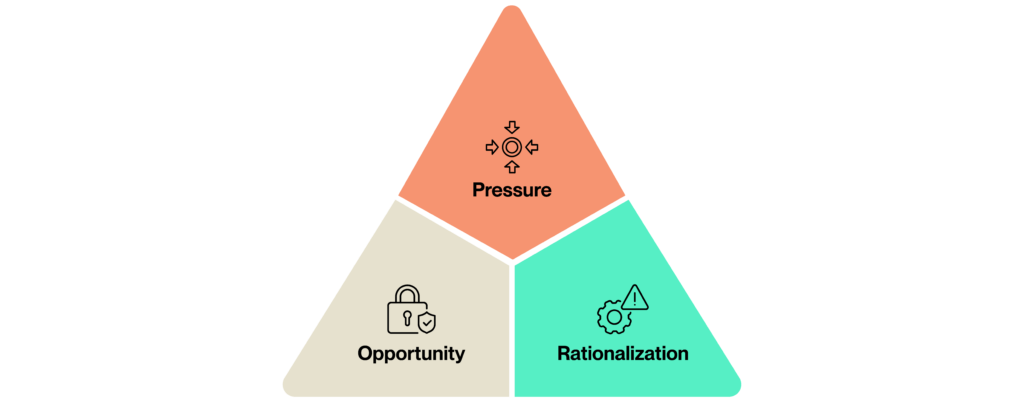
According to the ACFE, employees are more likely to commit fraud than executives. However, the dollar value associated with fraud significantly increases with the perpetrator’s seniority. Criminal motives are typically the result of stressors, including illness, excessive debt, or a spouse losing their job.

This financial or emotional pressure, mixed with the opportunity to commit the crime, often leads to the rationalization that the company can “afford” the loss. This “fraud triangle” model illustrates the possible factors that drive someone to justify and commit a crime.

The Fraud Triangle

Common Fraud Schemes

According to the ACFE, the most common fraud schemes within construction include corruption (52%), followed by billing (38%), expense reimbursement (25%), payroll and skimming (tied at 23%), and check and payment tampering (19%).

Corruption is a general term covering kickbacks, straw vendors, fictitious suppliers, bribery, bid-rigging, and conflicts of interest. Billing schemes include inflated costs on invoices, invoices for non-existent projects, or invoices for labor performed on personal projects. Accounts payable manipulation, check and payment tampering, fake or manipulated PDF documents, and cybersecurity are also frequent contenders.

Expense reimbursement fraud occurs when employees manipulate the expense reporting process to receive payments they’re not entitled to. Common schemes may include submitting fictitious expenses with fabricated receipts, mischaracterizing personal expenses as business-related, inflating legitimate business expenses (such as adding extra miles to travel), or submitting the same expense multiple times. 

Payroll skimming fraud occurs when someone uses a company’s payroll system to divert company funds. Examples include creating “ghost employees” who don’t exist, inflating hours worked or commission amounts, failing to remove terminated employees from payroll, and similar schemes.

Identifying Fraud

Certain behavioral trends typically accompany occupational fraud. Unexplained purchases of luxury items such as cars and extravagant vacations could indicate someone living beyond their means. Employees who foster unusually close relationships with vendors or customers can also be cause for concern, especially if the employee safeguards information or becomes secretive about the account.

Employees exhibiting a “wheeler-dealer” attitude that allows them to work outside of routine procedures can often abuse power and trust. Employees who do not take a vacation or relinquish duties can also indicate suspicious activity. Being aware of these red flags and behavior changes can help identify potential misconduct and stop perpetrators early on.

Preventing Fraud

Creating a robust code of conduct and proactively enforcing internal controls can help strengthen security and mitigate major risks of loss. This doesn’t have to mean hiring more personnel, which can often be cost-prohibitive. There are plenty of effective checks and balances that contractors can implement to minimize the risk and impact of fraud:

  • Creating a strong code of conduct and tone at the top
  • Monitoring financials and bank statements for sudden changes or disparities
  • Enforcing job rotation and mandatory vacation to ensure no single employee has consistent power over a particular function
  • Reviewing expense reimbursement and budget-to-actual reports to discourage cost manipulation
  • Conducting internal fraud training and creating a confidential hotline for employees to report suspicious behavior
  • Conducting surprise audits to deter employees from manipulating systems or controls
  • Scheduling audits of financial reporting and internal controls to monitor and ensure segregation of duties (especially for the purchasing and procurement process)

Even when fraud is caught, fear of bad publicity and costly legal fees often keep the crime out of court. Many business owners prefer private settlements and internal discipline to minimize costs and time away from the business. However, since many repeat offenders go unprosecuted, it’s critical to take legal action to create a strong deterrent and to alert future employers of an employee’s criminal record.

With these tips for understanding, identifying, and preventing occupational fraud, owners and stakeholders can be confident they are proactively mitigating the risk for their business.

To learn more about deterring and uncovering occupational fraud, contact us.

Software for Compliance

As compliance requirements grow more complex, one of the most common questions we hear is: What’s the best software for managing compliance?

While there’s no one-size-fits-all answer, understanding the categories of compliance-related software—and how they work together—can help you make informed decisions that fit your business and audit strategy.

Let’s break down the two main types of software involved in compliance programs:

  • General business software
  • Governance, risk, and compliance (GRC) platforms.

General Business Software

General business software includes the tools and platforms you use to run your operations and manage your tech stack. Examples include:

  • Cloud services like AWS, Azure, or GCP,
  • Version control (GitHub),
  • CI/CD tools (e.g., CircleCI),
  • Authentication (e.g., Okta),
  • HR systems (e.g., BambooHR), and
  • Device and workspace management tools (e.g., Google Workspace).

These systems weren’t designed specifically for compliance, but they often support key elements of your compliance program by default, such as access controls, audit trails, encryption, or policy workflows.

Regardless of your chosen GRC platform, this operational software will always be part of your compliance story.

GRC Software 

GRC platforms are built to manage governance, risk, and compliance centrally. They generally serve three primary functions:

  • Readiness – helping you prepare for audits, either manually or through automation,
  • Audits – supporting evidence collection, walkthroughs, and reporting, and
  • Maintenance – enabling ongoing reviews, updates, and documentation.

There are also three broad types of GRC platforms, each with different strengths:

TypeCoverageReadinessAuditsMaintenance
Traditional GRCBroadManualFlexibleCentralized
Security and ComplianceNarrowAutomatedGenericCentralized
Integrated AuditBroadAutomatedFlexibleCentralized

Which Compliance Software Is Best for You?

When deciding on software, we recommend completing a readiness assessment within your team or with a consultant first. That way, you can see what else is required to achieve compliance and where other software may provide return on investment.

Traditional GRC software is time-intensive to set up. Security and compliance software is expensive and limits your auditor choices. And integrated audit software ties you to that auditor, so it’s best to ensure it fits your goals upfront.

Part of that is reviewing how your existing software supports compliance independently. In many areas, these enable compliance by default, with minor adjustments, or at least provide the tools and functionality you need without procuring additional software.

Examples of Commonly Used Software

Here’s an example with a common set of software, each with many alternatives playing a similar role.

AWS (Cloud Infrastructure). Out of the box, AWS offers firewalls, encryption, access controls, logging, and system hardening. Add-ons like GuardDuty, Key Management Service, AWS Shield, and Security Hub enhance monitoring and response capabilities.

GitHub (Version Control).  GitHub tracks code changes and version control by default. With added features like peer review enforcement, static code analysis, and code quality checks, it helps address secure development requirements.

Azure Active Directory (Single Sign-On).  Provides centralized access management, RBAC, segregation of duties, and provisioning controls—all essential for identity and access management.

BambooHR (HRIS).  Supports compliance with employee lifecycle documentation, including contracts, onboarding steps, policy acknowledgments, and performance reviews.

Google Workspace (Mobile Device Management).  Enables you to monitor, secure, and manage mobile devices through approval workflows, policy enforcement, email security, and remote wipe capabilities.

While these tools cover much of the technical foundation, some areas—like policies, procedures, and oversight—still require tailored, manual work to reflect your unique business environment.

Getting started with compliance software doesn’t need to be overwhelming. Our team can walk you through a readiness assessment, identify opportunities to streamline your efforts, and recommend practical, right-sized solutions for your organization.

To learn more or request a practice guide tailored to your needs, contact us.

Comparing HIPAA and HITRUST

The HITRUST framework and HIPAA regulations both play important roles in helping organizations meet their data security, customer privacy, and compliance goals. However, they have notable differences in their nature, scope, and application.

Understanding the Basics: HIPAA vs. HITRUST

Let’s start with HIPAA (the Health Insurance Portability and Accountability Act), a U.S. law enacted in 1996 that established guidelines for protecting patient health information (PHI) and ensuring the privacy and security of electronic health records.

HIPAA consists of five rules that organizations must interpret in the context of their environment, but the legislation does not offer specific implementation guidance. 

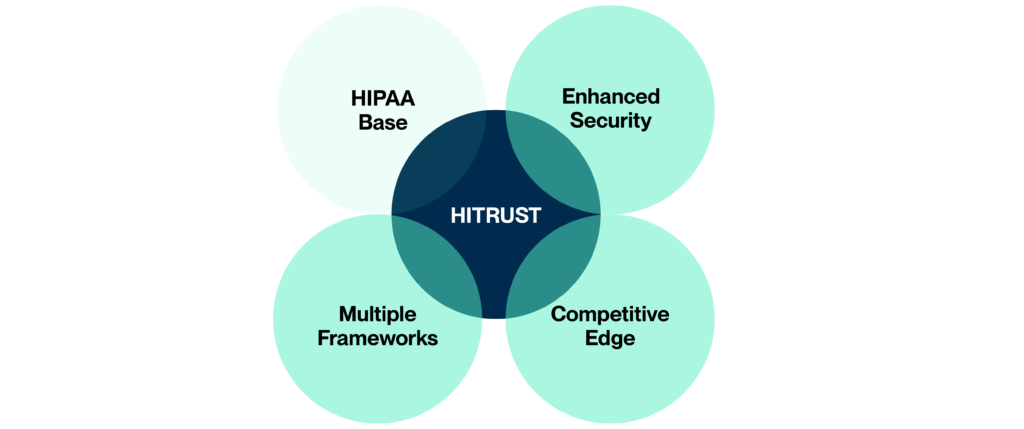
HITRUST is a certifiable security and privacy framework designed by industry experts to help organizations manage information risk with confidence. It offers a comprehensive, structured approach by integrating multiple standards and authoritative sources, including HIPAA. With clearly defined security controls and requirements, HITRUST simplifies compliance and strengthens data protection across industries.

HIPAA’s Mandatory Requirements

HIPAA is mandatory for covered entities (healthcare providers and insurance companies) and their business associates that handle PHI in the United States. HIPAA compliance is self-assessed, and there is no designated HIPAA certification process nor certification body. Instead, organizations must regularly review their compliance with HIPAA’s Privacy Rule, Security Rule, and Breach Notification Rule in a process that may include engaging third-party auditors.

These assessments generally focus on protecting PHI through administrative, physical, and technical safeguards outlined in the Security Rule. HIPAA also mandates regular risk assessments as part of ongoing compliance efforts but does not prescribe a specific timeline or format for those assessments.

This approach may be best suited for small medical practices or solo practitioners with limited resources. If a covered entity or partner doesn’t need to demonstrate compliance with multiple regulatory frameworks, they may find HIPAA compliance adequate for their needs.

HITRUST’s Broader Reach and Structure

For its part, HITRUST has a broader scope that can be applied to organizations across various industries beyond healthcare. The framework can be used by any organization looking to implement strong security controls based upon real-time threats and demonstrate compliance with multiple standards simultaneously.

HITRUST is more comprehensive, covering over 1,200 requirement statements that can be mapped to over 40 compliance and regulatory frameworks (authoritative sources) across various industries, including HIPAA, CCPA, ISO, NIST, and GDPR.

HITRUST’s Broader Reach and Structure

The HITRUST CSF (Common Security Framework), for instance, comprises of 14 control categories, 49 control objectives and 156 control references that detail specific tasks teams need to perform to achieve those objectives. The requirement statements are spread across the 19 domains that make up the HITRUST CSF.

HITRUST implementation is also more structured, involving a software solution (myCSF) that streamlines audits and assessments. Organizations can become HITRUST-certified by HITRUST, providing a standardized way to demonstrate their compliance and maturity.

HITRUST certification involves a multi-phase process that includes readiness assessments, gap remediation, validation by an external assessor, and a final review and QA by HITRUST itself. Depending on their risk level and assurance needs, organizations can choose from different assessment types.

The Benefits of Choosing HITRUST Over HIPAA

While every healthcare organization has specific requirements, HITRUST certification can offer additional benefits for providers and their business partners than HIPAA compliance alone; given how robust and the coverage organizations implementing the HITRUST framework.

The Benefits of Choosing HITRUST Over HIPAA

Enhanced Security and Compliance

HITRUST, for instance, provides a more comprehensive and prescriptive approach to security and compliance while also offering greater flexibility. Because the framework’s requirements are tailored to each company’s risk profile and use of PHI, adoption can be scaled up or down to meet individual organizational needs.

With controls are mapped to different security, privacy, and governance standards and frameworks, HITRUST provides a comprehensive approach to meeting multiple compliance requirements simultaneously.

Demonstrated Commitment and Competitive Advantage

HITRUST certification also demonstrates a stronger commitment to data protection. For companies that provide services to covered entities, obtaining HITRUST certification can create competitive advantages over non-certified competitors as more healthcare organizations require HITRUST certification from their vendors.

Overall, HITRUST offers a structured approach with formal certification that demonstrates adherence to multiple regulatory frameworks beyond HIPAA. Organizations seeking higher assurance and broader compliance often opt for HITRUST certification.

While HIPAA is mandatory for healthcare providers and their business partners, HITRUST provides a stronger, more comprehensive security approach. It potentially provides greater value and benefits to organizations in the healthcare industry and beyond.

To learn more about HITRUST and HIPAA compliance, contact us.

Understanding Annual Recurring Revenue and GAAP Recognition

Accurate revenue tracking is paramount in understanding the performance and growth prospects of companies, such as SaaS providers, that rely on subscriptions. Investors, management, and finance teams evaluate metrics such as annual recurring revenue (ARR) and GAAP revenue recognition, which, while both related to revenue, serve different purposes and are often confused.

What Is ARR?

Annual recurring revenue is a key financial metric for many subscription-based businesses, serving as a benchmark for tracking growth and providing a high-level view of predictable revenue.

ARR measures the revenue that a business expects to receive from recurring customers in the next 12 months. It is defined as the value of all recurring contracts (subject to renewal on at least an annual basis) normalized to an annual basis.

If average customer terms are less than a year, monthly recurring revenue (MRR) may be a more useful metric.

What Is GAAP Revenue Recognition?

U.S. generally accepted accounting principles (GAAP) define revenue recognition from contracts with customers under Accounting Standards Codification Topic 606 (“ASC 606”).

ASC 606 requires companies to recognize revenue based on a five-step model designed to align revenue recognition with the customer receiving the good or service. This requires a company to evaluate the amounts that are expected to be collected and the nature of the transfer of goods or services to determine the proper amount and timing of revenue recognition.

Step five of the ASC 606 model requires companies to determine whether revenue should be recognized ‘over time’ or at a ‘point in time’. For subscription-based businesses, this consideration often means revenue is recognized over the subscription term, however there are factors that could lead to point-in-time recognition.

ARR vs. Revenue Recognition

There are several key differences between ARR and GAAP revenue recognition. While both metrics are related to revenue, they are not equivalent. Stakeholders need to understand these differences and when the use of each metric is most valuable.

ARR is a forward-looking metric, while GAAP revenue recognition measures historical information. ARR includes only revenues that are recurring in nature, while GAAP revenue recognition will also include any non-recurring items such as implementation fees.

ARR typically includes any closed bookings for which executed documents may not be completed or services may not have commenced. Under GAAP, this type of contract would not be recognized as revenue until services commence.

GAAP revenue recognition appears on the company’s GAAP financial statements. ARR typically accompanies management reporting and is often included in the Management Discussion and Analysis (“MD&A”) portion of financial reporting. Finance and accounting teams are more likely to use GAAP revenue to analyze the company’s performance while investors and company leadership teams use ARR.

Investors often review ARR as a metric to imply the value of a company by applying industry-based ARR multiples, among other valuation techniques. Because ARR is a non-GAAP metric, it is not subject to audit.  A CPA firm cannot opine on ARR or related metrics, as there are no published rules regarding the classification of recurring versus nonrecurring revenue.

Best Practices for Tracking and Measuring

For companies in which ARR is a relevant metric, it is imperative that management and the stakeholders understand the differences between ARR and revenue recognition under GAAP. Also, they must understand that ARR is not defined under specific rules and regulations.

Based on our experience, the following are best practices as they relate to tracking and measuring ARR and GAAP revenue recognition:

  • Create a GAAP revenue recognition policy in accordance with ASC 606 that is agreed upon by the management team and the relevant stakeholders. Ensure this policy is applied consistently to contracts with customers and reviewed by the company’s CPA if subject to audit requirements.
  • Create an ARR policy in which the company’s specific criteria for what constitutes recurring versus nonrecurring revenue are identified and agreed upon by the management team and relevant stakeholders. Ensure this policy is applied consistently. Examples of common policies for ARR include:
Examples of common policies for ARR
ARR excludes perpetual licenses, implementation and installation charges, and other one-time charges, as well as trial licenses and subscriptions.
ARR should exclude non-renewing subscriptions the company is aware of.
ARR should include renewable contracts that are less than one year in length; however, the value of the contract utilized should not be annualized for ARR purposes until it is certain the customer will renew.
For better usability, disseminating ARR by revenue stream for reporting is preferred (license vs. SaaS vs. support).
For better usability, disseminating ARR by customer type (new customers, existing customers, up-sells) and summarizing customer churn information is preferred.
ARR includes the annualized value of subscription, term-based, and SaaS licenses, as well as term-based maintenance and support contracts.
  • The treatment of contracts as recurring or non-recurring requires judgment and therefore companies should document relevant policies to ensure the classification is consistently applied.
  • Companies should summarize and reconcile ARR and GAAP revenue recognition differences to the board/stakeholders for better usability and understanding of metrics and published financial results.

We hope this article has helped clarify the difference between annual recurring revenue and GAAP revenue recognition and has provided useful information on best practices for each. If you’re a technology company looking for an audit partner, please don’t hesitate to reach out. Our team has experience with a wide range of clients in the technology industry, and we would be happy to chat with you.py to chat with you.

Maximizing ESG Impact: The Role of a Fractional CSO in Business Strategy

Collaborating with an organization’s leadership team, fractional chief sustainability officers (CSOs) embed environmental, social, and governance (ESG) practices across operations, such as supply chains and product development, to ensure sustainability initiatives go beyond a compliance focus to become a core part of the organization’s business model and value creation.

How Do Fractional CSOs Help Companies?

Fractional CSOs provide an objective perspective to help a company understand its most important sustainability-related risks and opportunities, and work with management to identify internal resources who can address those considerations by integrating them into their day-to-day responsibilities.

This includes the creation of sustainable impact goals based on the company’s current needs, industry benchmarks, and stakeholder expectations, as well as key performance indicators to help the company measure and optimize the impact of its sustainability initiatives.

Even organizations with dedicated sustainability team members can benefit from specialized expertise, project leadership, and benchmarking insights from a fractional CSO.

Improving Operational Efficiency

A fractional CSO can enhance operational efficiency by streamlining the sustainability function within organization. This can include direct efforts like generating cost savings through initiatives that reduce energy consumption or waste generation in operations, or streamlining processes to identify bottlenecks, improve production timelines, and reduce errors.

Similarly, fractional CSOs can enhance supply chains by engaging with partners to foster sustainable practices, share goals, and encourage the adoption of more efficient processes.

For example, they can establish metrics related to carbon emissions, water usage, and waste generation, and implement systems that increase efficiency and reduce miles traveled. In another example, improving warehouse and inventory management can reduce costs and waste by providing insights into product shelf life and rotation.

Risk Management and Reporting

Fractional CSOs assess sustainability risks that could affect the organization, such as regulatory non-compliance or reputational damage. For instance, they can help management identify and mitigate exposures such as dependence on non-renewable resources or the potential for climate-related disruptions to operations or suppliers.

They can also ensure the organization adheres to evolving regulations by monitoring compliance with sustainability laws and anticipating likely regulatory developments.

With sustainability disclosure mandates increasing, a fractional CSO can work with company leaders to help them understand reporting requirements, such as those issued in California and the European Union. This may include developing impact reports that align with recognized frameworks such as the:

  • International Sustainability Standards Board (ISSB)
  • Task Force on Climate-related Financial Disclosures (TCFD)
  • European Union’s Corporate Sustainability Reporting Directive (CSRD)
  • And other standards to improve organizational accountability and transparency.

Fractional CSOs can also facilitate dialogue with internal and external stakeholders, including investors and regulators, regarding sustainability initiatives. They develop communication frameworks that establish transparency, gather valuable feedback, and build the organization’s understanding of its sustainability priorities.

Developing Internal Expertise

Over time, the fractional CSO can transfer their knowledge to management and internal personnel who are taking on sustainability functions so the company can better integrate sustainability expertise across the organization after the CSO engagement ends.

Many people want to work for employers that align with their personal values, and this often includes companies’ sustainability efforts. By leveraging these mission-aligned team members to carry out sustainability efforts, a company can gain direct benefits while enhancing employee retention and recruiting.

The Benefits of the Fractional CSO Model

Retaining a fractional CSO can provide operational and economic benefits:

  • Cost Savings. Retaining a fractional CSO represents considerable direct savings over a full-time professional, especially for companies that are new to the space. This approach allows organizations to align sustainability leadership resources with their needs, and build a strong foundation for future internal sustainability personnel to execute on.
  • Access to Expertise. Fractional CSOs bring substantial professional experience and knowledge that might otherwise be difficult for mid-sized companies to find or afford. Their broad understanding of sustainability practices enables the application of proven methodologies tailored to specific organizational needs, and provides a formal structure for engaging your employee base around key sustainability initiatives.
  • Implementation Efficiency. Experienced fractional CSOs can efficiently assess a company’s sustainability baselines and benchmarks, identify priority areas for development, and implement appropriate strategies. Their practical approach focuses on creating repeatable systems and processes that can be developed rapidly and maintained by internal personnel over time.
  • Strategic Integration. Fractional CSOs help integrate sustainability considerations into core business operations. They work to align environmental and social initiatives with organizational objectives, ensuring the company’s sustainability efforts complement and enhance its overall business performance, building specific roles and responsibilities into your team’s respective job descriptions.

Further Explore Fractional CSO Services

Enlisting a fractional CSO provides a pragmatic approach to sustainability leadership that allows organizations to develop and enhance their business strategy and sustainable impact programs while maintaining resource flexibility.

This approach is particularly relevant for mid-sized companies seeking to advance their performance through professional leadership without the investment and resource commitment of a full-time executive position.

To learn more about the benefits of retaining a fractional CSO for your organization, contact us.

Improve Your Technology Startup’s Financial and Operational Controls

Running a startup is exciting, and your focus should be on the future of your company and the technology you’re developing. However, investors and your board of directors expect their investment to be managed prudently and professionally. You’re expected to do as much as possible with as little as possible, particularly in back-office functions such as accounting and HR.

This article outlines key financial and operational controls that can help streamline your startup’s back-office functions.

Segregation of Duties: Build Trust and Transparency From the Start

Even with a lean team, never compromise on separating duties. This is essential for investor confidence. Ensure the individual authorizing spending is not also processing payments or reconciling accounts. As you scale, consider role-based access controls within your financial systems to enforce this digitally. This protects against fraud and demonstrates a commitment to professional operations.

Other areas where segregating duties makes sense include:

  • Cash Payments/Wire Transfers – Most financial institutions offer cash transaction management solutions. At a minimum, set up your account to require a separate initiator and approver for cash transactions. Approval requirements should vary based on transaction size.
  • Formalized Spending Approvals and Expense Policies – Implement a clear expense policy that outlines acceptable spending categories, approval thresholds, and reimbursement procedures. Tools like Ramp or Brex offer corporate cards with built-in spending controls and automated expense reporting. These measures help control costs, reduce administrative overhead, and provide valuable data for analysis.
  • Strategic Cash Management for Investment Policy – Many startups receive significant cash at funding. A formal investment policy ensures alignment between management and investors on how idle funds should be invested. Investors typically fund operations, not speculative investments.
  • Sweep Accounts – The failure of Silicon Valley Bank highlighted the risks of lax treasury management. Many startups held deposits far exceeding FDIC limits. Discuss Insured Cash Sweep accounts with your banker if you have significant cash reserves.
  • Burn Rate Management – Your burn rate is under constant scrutiny. Implement a detailed budget tracking monthly expenses against funding milestones. There are tools that integrate with accounting software for real-time burn rate analysis. A good financial model should include scenario analyses (best-case, worst-case, most likely) to anticipate challenges and adapt quickly. Causal is a useful tool for complex financial modeling.
  • Payroll Processing – The person processing payroll with a third-party provider should not enter transactions into the accounting system. HR should review payroll as a control measure. Payroll is often the largest startup expense, making segregation of duties particularly important.
    • Rotating Duties – Payroll fraud is often uncovered when a longtime processor is replaced or takes an extended leave. Regular rotation of payroll duties reduces risk.
    • Payroll Change Report Review – Payroll providers can generate reports detailing changes from the prior cycle. Reviewing these reports can help detect unauthorized pay increases or ghost employees.

Maintaining a Precise Cap Table for Investor Confidence and Compliance

Maintaining a clean cap table is crucial for attracting investors and managing equity accurately. Software like Carta or Pulley can help track ownership, manage stock options, and ensure compliance. Errors in cap table management can create significant legal and financial problems. Equity management tools also can help track stock options and calculate accounting charges required for audited financial statements.

Documenting Your Success

Creating a clear and efficient record system for proper documentation is essential in two important ways:

  • Process Documentation – Clearly outline company processes so intended controls are understood and actual practices can be measured against them. Maintain written records as evidence that payroll reviews, bank reconciliations, and other key controls are being performed.
  • Source Documents – Maintain complete, well-organized records to support all transactions. Without proper documentation, proving transactions were authorized and recorded properly becomes difficult. Good documentation also allows for quick responses to investor, management, or auditor inquiries.

Advanced Reporting for Data-Driven Decision-Making

Investors expect sophisticated financial reporting beyond basic profit and loss statements. Implement systems providing granular insights into key metrics such as:

  • Customer Acquisition Cost (CAC), Lifetime Value (LTV), Churn Rate, and Annual Recurring Revenue (ARR) or Monthly Recurring Revenue (MRR) – Each of these metrics focuses on a different aspect of a company’s financial health, customer behavior, and long-term sustainability.
  • Subscription Analytics – Tools exist that offer advanced reporting capabilities.
  • Automated Reporting – Automate as much as possible, ensuring reports reconcile transparently with transactional activity.

Proactive tax compliance for startup stability and growth tax compliance is a significant factor in due diligence, even for startups with minimal tax liabilities. Key considerations include:

  • Worker Classification – Startups often rely on independent contractors, but misclassifying employees can lead to major tax liabilities. The IRS and state agencies closely scrutinize worker classification. Use the IRS’s 20-factor test or the ABC test (in some states) to evaluate worker relationships.
  • Sales Tax Compliance – The Supreme Court’s Wayfair decision expanded sales tax nexus definitions. Many startups fail to implement systems for collecting and remitting sales tax across multiple jurisdictions. Work with a sales tax specialist to determine obligations and automate tax calculations.
  • State and Local Tax Compliance – Rapid expansion, remote work, and virtual operations can trigger state and local tax filing requirements. State agencies can associate employees with their employers, increasing compliance scrutiny. Learn more about our SALT compliance services and ensure your business is meeting all obligations.
  • International Tax Issues – Expanding internationally introduces complexities like transfer pricing, permanent establishment, and foreign tax credits. Consult with international tax specialists early in your expansion process.
  • R&D Tax Credits – These credits can be valuable but require meticulous documentation of qualifying research activities. Track project details, employee time, and associated expenses. Maximize your innovation investments with our R&D Tax Credit services.
  • Stock Option and Equity Compensation Tax Issues – Mishandling stock options can lead to compliance issues for both the company and employees. Use cap table management software with tax features and consult tax advisors to comply with Section 409A regulations.

Control What Matters for Your Venture-Backed Technology Startup

By implementing these controls, your startup can build a solid financial foundation while maintaining investor confidence. Effective financial and operational controls ensure stability, transparency, and efficiency as your company scales. Contact us if you have any questions.